
Atherosclerosis, or arteriosclerotic vascular disease is a condition where artery walls thicken due to fatty deposits, thus causing heart failure. In layman's terms, it is the furring of the bodies arteries.
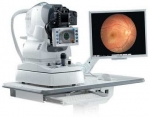
So how does a fundus camera, or retinal camera, a microscope designed for photographing the interior of the eye have any relevance to heart disease? Well a theory put forward by some opticians is that atherosclerosis can be identified at an early stage through the use of this equipment by monitoring changes to tiny blood vessels in the rear of the eye. In essence, they can diagnose when these arteries are thinning or becoming 'furry' and blood flow is decreased. That is the thought process and theory put forward.
While it must be confirmed that this is still in the stage of theory and not fact, this could prove to be a startling, and not to mention cost effective way of finding early signs of heart failure and thus allowing early treatment before more serious symptoms and issues arise in patients through the use of standard optical instruments.