Image
CSO Sirius Topographer

CSO Sirius Topographer

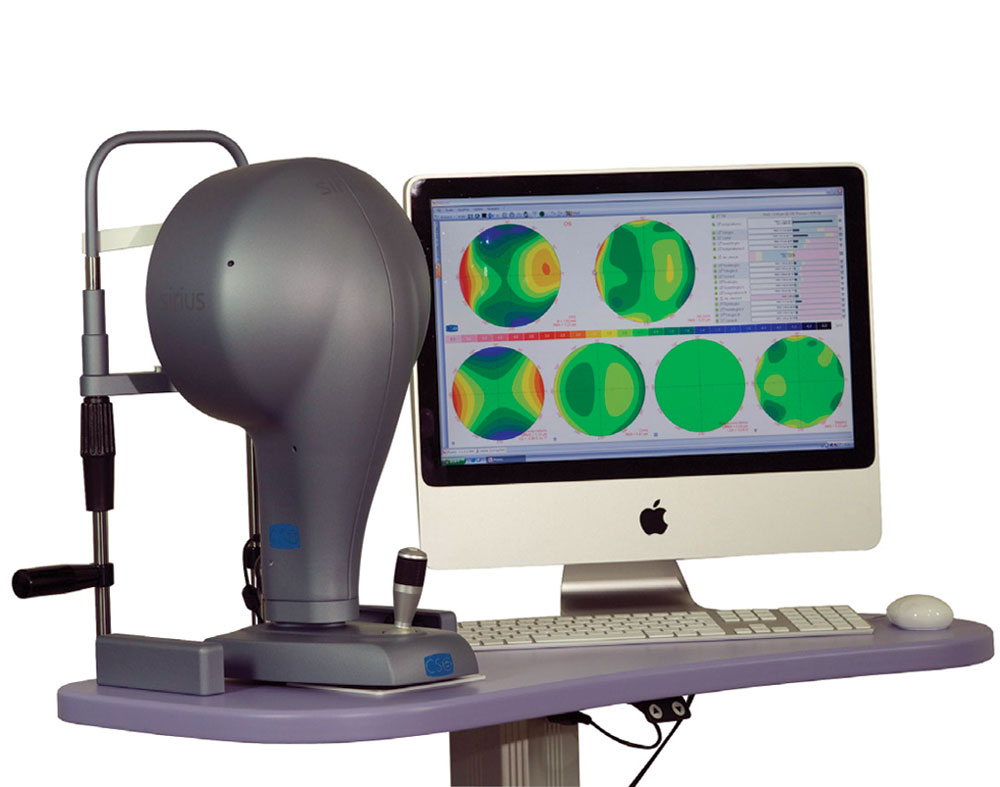
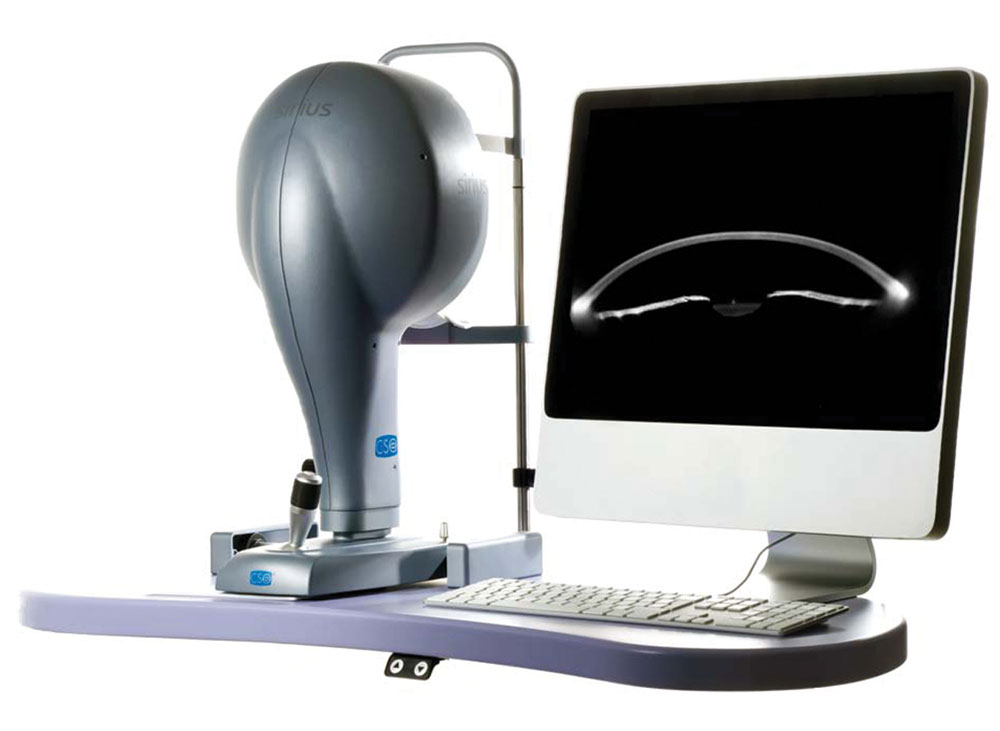
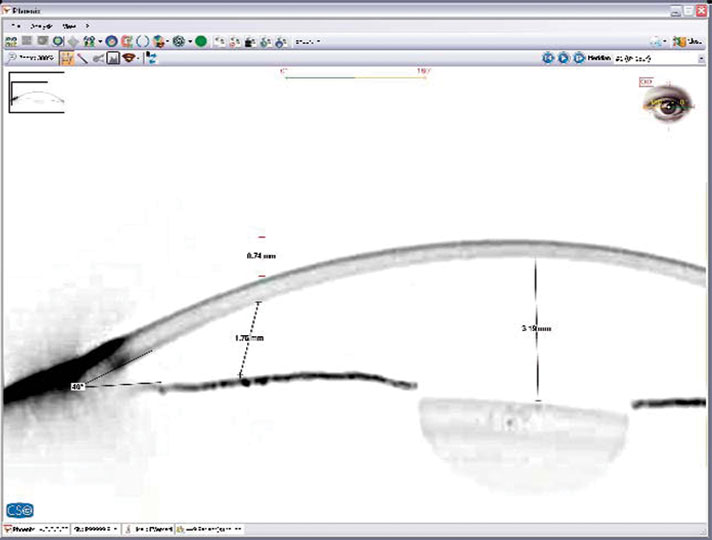
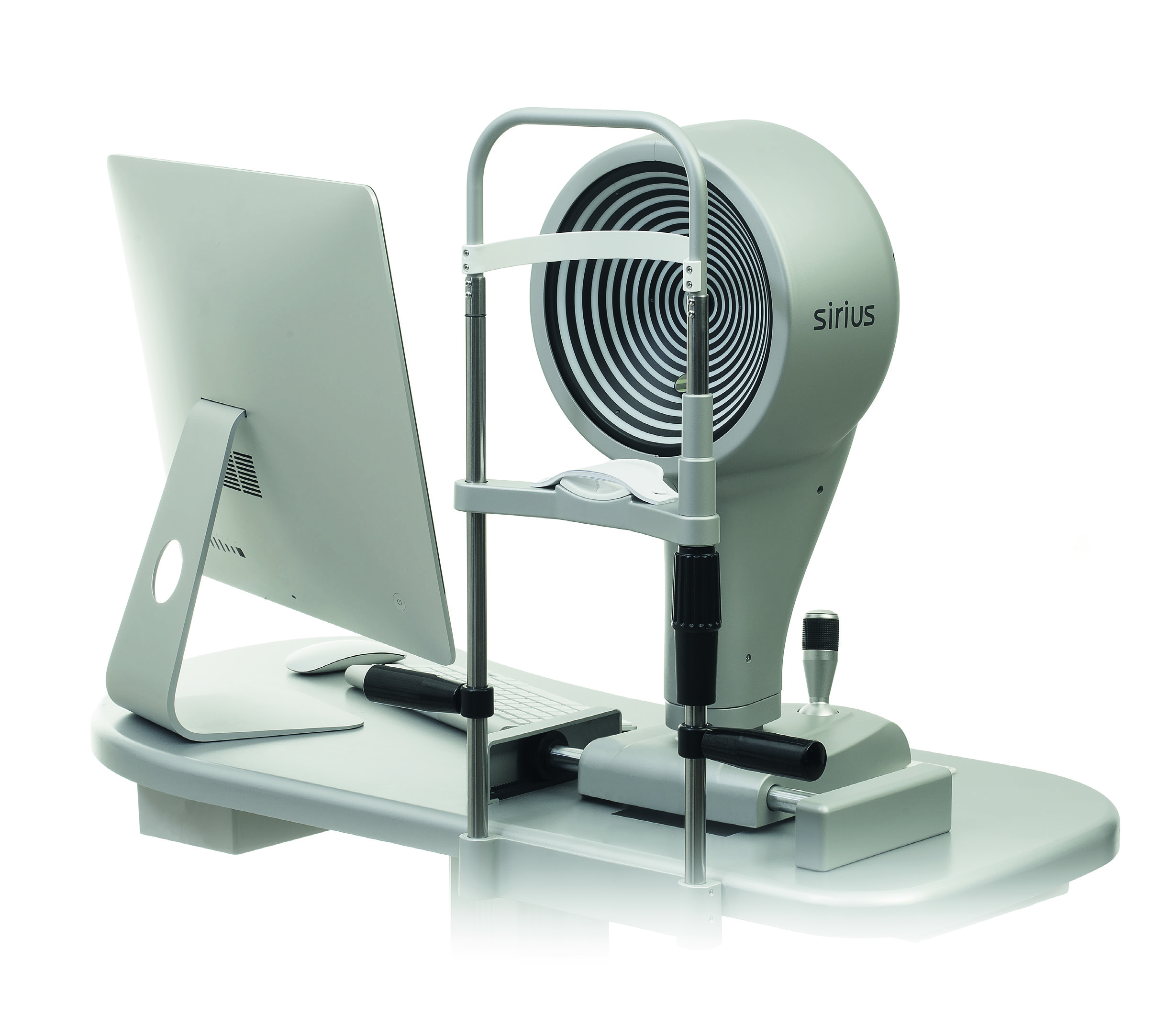
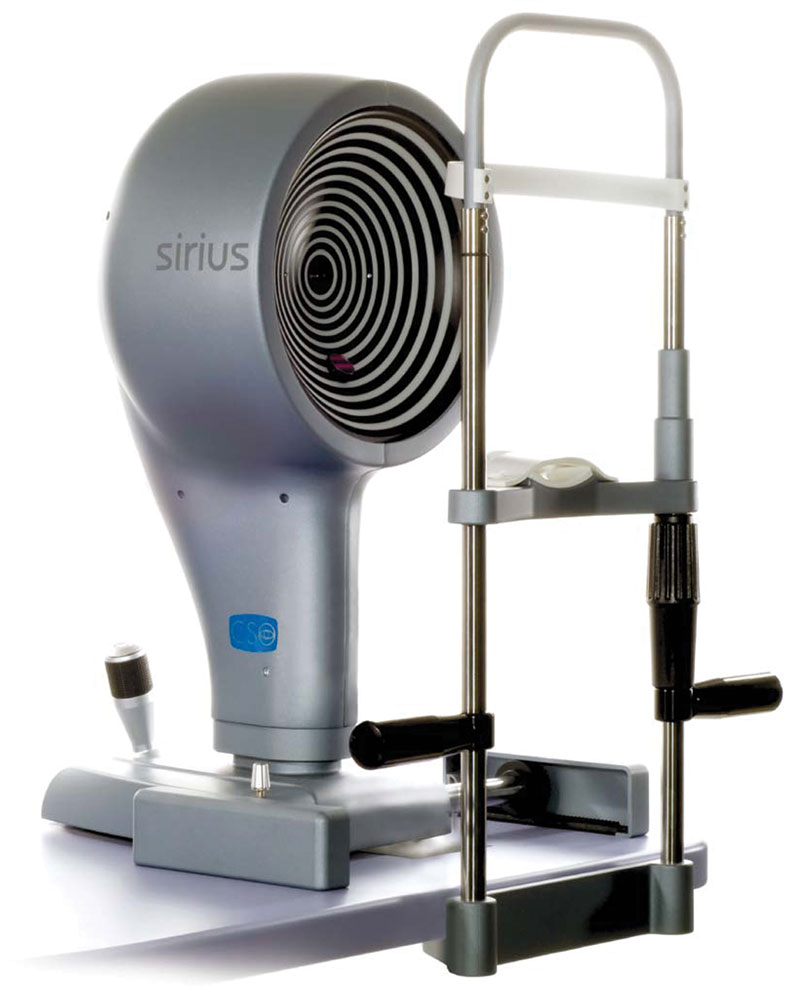
Sirius, the excellent combination of rotating Scheimpflug camera and Placido disk, is a high precision system for the three dimensional analysis of both the cornea and the anterior segment.

Merging data from Placido’s reconstruction to the one by Scheimpflug images (taken at the same time by 2 different cameras) Sirius is able to obtain the accurate measurement of elevations, curvature, power and thickness for the whole cornea. Although the Scheimpflug images three dimensional reconstruction is able to deliver accurate profile and thickness data, it’s insufficient to calculate curvature and power data with acceptable accuracy. On the other hand Placido’s technology can give just partial information of corneal structures, as it is not able to measure the posterior surface (and the corneal thickness) and measuring the anterior surface with a limited coverage. Sirius overcomes both limitations merging Scheimpflug’s with Placido’s data, acquired with the same reference axis and at the same time.

Call our expert team today on 01527 501077

Further Information

Anterior and posterior corneal topography information is available for diagnosis, for refractive/cataract pre-operative planning or for follow up purposes. Organized in one standard summary or three customizable reports, it’s possible to select up to six maps.

Synthetic parameters like summary indices, K-readings, refractive analysis indices and shape indices are available for a quick comparison between examinations and follow-up.

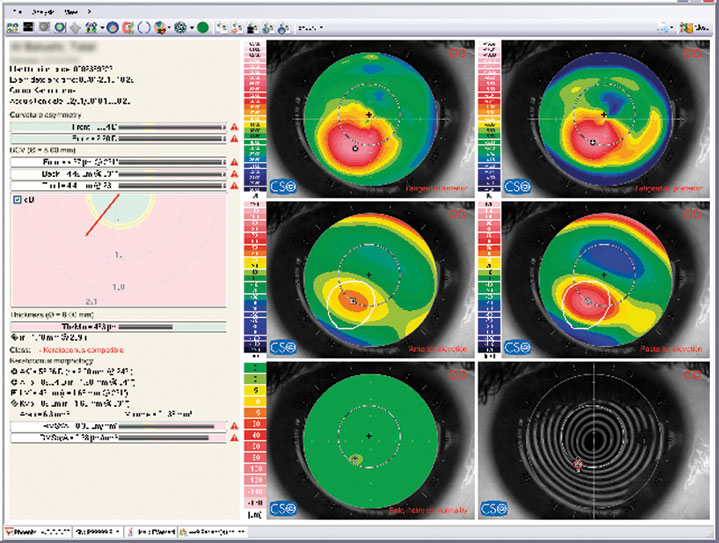
Keratoconus summary focuses on the risk of ectasia. Thanks to the combination of several morphological maps – thickness, elevation anterior and posterior, tangential curvature anterior and posterior - and through specific indices with normative values, this summary helps in the diagnosis of keratoconus in early stages too.

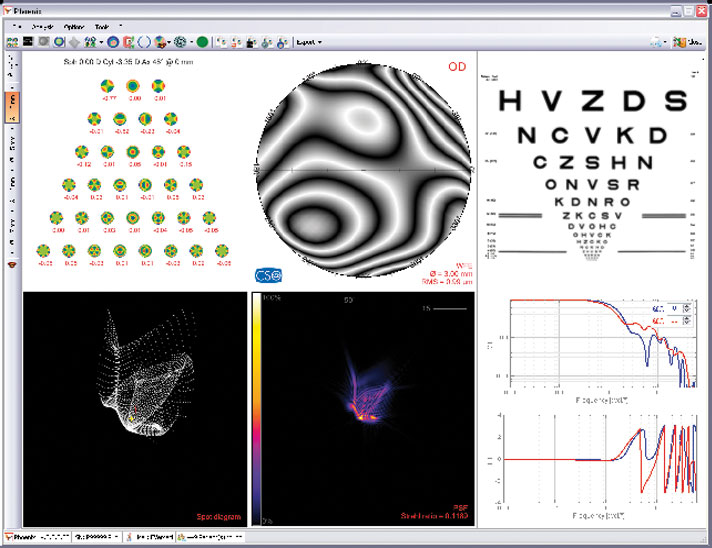
Corneal aberrometry analysis offers a complete overview of the corneal contribution to the vision. Anterior, posterior or total corneal aberration are selectable for several pupil diameters. The OPD/WFE map and the simulated vision functions (Spot Diagram, PSF, MTF, Image convolution) help the clinician understand and explain the visual discomfort to the patient.

Pupillography fully integrated with anterior and posterior corneal topography the measurement of the pupil condition is available in scotopic (0.04 lux), mesopic (4 lux), photopic (50 lux) and dynamic light condition.

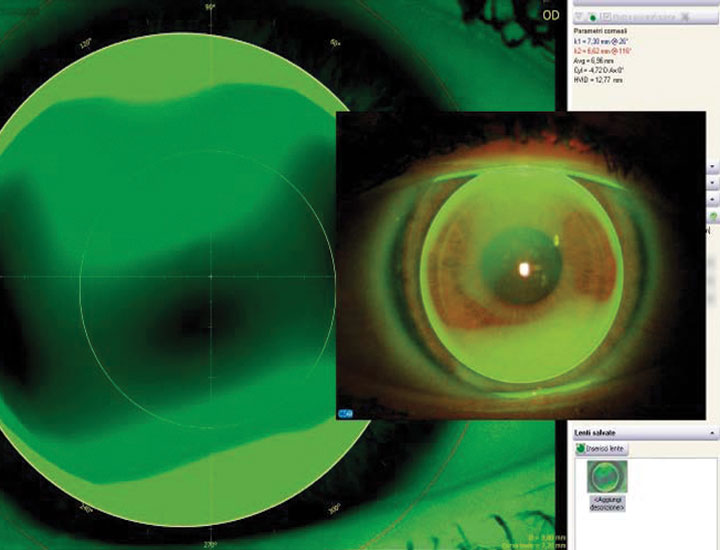
An autofit module is available for searching the best lens in a database containing most international contact lens manufacturers’ geometries.

Basic video stream operations on two views of the movie are available. Time gap is measured from two different frames of the movie, is then saved and is available for further analysis (e.g. used as Tear Film break-up time).

Media Gallery
Image
Image
Image
Image
Image
Image
Image
Image
Available Downloads